
When it comes to home interior painting, many homeowners think only about color. Yet, the finish can be just as important as the shade you choose. Adding textured paint for walls is one of the most effective ways to give your space character, depth, and a personalized touch. From subtle patterns to dramatic accents, interior wall paint textures can transform a plain surface into something remarkable.
But with so many types of wall paint texture and finishes available, how do you choose the right option for your home? This guide explores the best textured paint for interior walls, explains the benefits of using paint with textured finish, and provides tips to help you select and apply the perfect product for your textured interior walls.
Why Choose Textured Paint for Interior Walls?
Adding a textured finish wall can completely change the atmosphere of a room. Instead of looking flat and one-dimensional, your space gains depth, warmth, and visual interest.
Homeowners often choose interior textured paint for several reasons:
- Hide imperfections: Textured paint is excellent at concealing cracks, dents, or uneven drywall.
- Enhanced durability: Many interior wall textures resist scratches and wear better than flat paint.
- Design versatility: From subtle sand finishes to dramatic stucco effects, there are countless interior wall paint textures to match your style.
- Acoustic benefits: Some textured paint for interior walls can reduce noise and echo, making rooms feel cozier.
- Timeless character: Textured finishes never look boring and can elevate even the simplest spaces.
The Most Popular Types of Interior Wall Texture
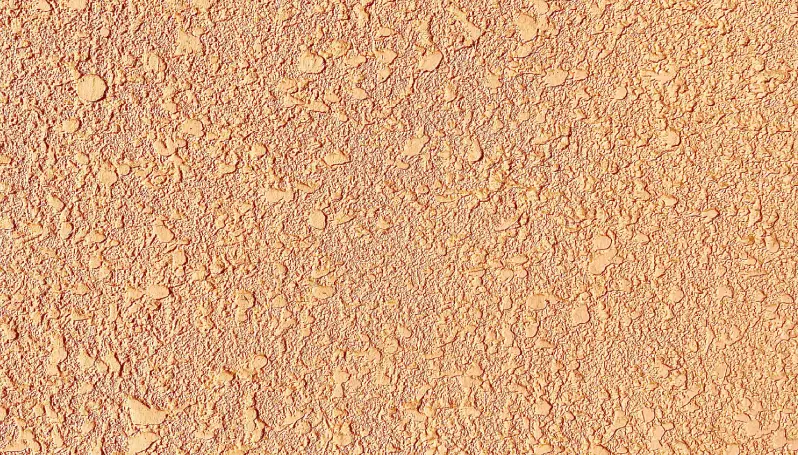
Before deciding on the best textured paint for walls, it helps to know the different finishes available. Each option offers unique qualities, so your choice depends on the look you want to achieve.
1. Sand Texture
Sand texture is one of the simplest types of wall paint texture. It involves mixing sand into the paint to create a subtle, grainy surface. Perfect for homeowners who want understated interior textured paint without overwhelming patterns.
2. Knockdown Texture
Knockdown is a popular interior wall texture that resembles stucco. It gives walls a slightly rustic, Mediterranean-inspired look and works well in both modern and traditional interiors.
3. Popcorn Texture
Best known for ceilings, popcorn texture can also be applied as textured paint for walls in basements or home theaters for its acoustic benefits. It is highly functional, though less common in contemporary design.
4. Orange Peel Texture
Similar to the surface of an orange, this finish adds dimension without being too bold. It is one of the most common interior wall paint textures in new homes because it balances style and practicality.
5. Comb Texture
Comb texture is created using a comb-like tool on wet paint to form straight or wavy lines. This decorative paint with textured finish is perfect for accent walls.
6. Venetian Plaster
Venetian plaster is a luxurious textured finish wall that mimics the look of marble. It is one of the best textured paint for walls if you want elegance and sophistication.
7. Slap Brush Texture
Using a brush to create floral or fan-like patterns, slap brush finishes are artistic and versatile. This style works well in bedrooms and creative spaces.
Pros and Cons of Using Textured Paint
Before committing to textured paint for interior walls, weigh the benefits against the drawbacks.
Pros:
- Adds style and uniqueness to your space
- Conceals wall imperfections
- Offers multiple interior wall paint textures to fit any design theme
- Long-lasting finish with minimal upkeep
Cons:
- Harder to apply evenly than flat paint
- Can be difficult to clean in heavily textured areas
- More challenging to repaint or remove later
How to Choose the Best Textured Paint for Walls
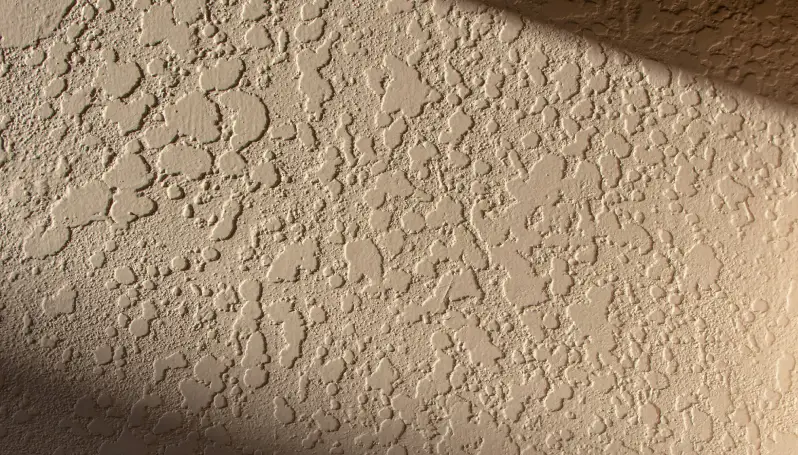
Selecting the right interior textured paint depends on more than just appearance.
Consider these factors:
1. Room Function
High-traffic areas like hallways or kitchens benefit from durable interior wall textures that hide scuffs. Bedrooms and living rooms, on the other hand, can experiment with bolder paint with textured finish designs.
2. Level of Texture
Ask yourself: do you want a subtle effect or a bold statement? For understated design, stick with orange peel or sand finishes. For dramatic impact, explore Venetian plaster or knockdown texture.
3. Lighting and Space Size
Texture interacts with light, so consider how your chosen interior wall texture will look in natural versus artificial light. Heavier textured finish walls can make small rooms feel cozier but might overwhelm a tight space.
4. Design Theme
Modern homes often benefit from smoother finishes, while rustic or Mediterranean styles pair beautifully with heavier interior wall paint textures.
5. Budget and Maintenance
Some types of wall paint texture, such as Venetian plaster, are more expensive and require skilled application. If you are on a budget, simpler textured paint for walls like sand or orange peel may be better.
Preparing Walls for Textured Paint
Proper preparation ensures that textured paint for interior walls looks professional and lasts longer.
- Clean the surface: Remove dust, dirt, and grease.
- Repair imperfections: Patch holes and smooth rough edges.
- Apply a primer: Use a primer designed for interior wall textures to help paint adhere properly.
- Mask edges and trim: Protect baseboards and ceilings before applying paint with textured finish.
Application Tips for Textured Finish Walls
Applying interior textured paint requires patience and the right technique.
Here are some tips:
- Use specialized rollers or brushes designed for interior wall paint textures.
- Work in small sections to maintain consistency.
- Experiment on a test board before applying to your textured interior walls.
- Allow ample drying time between coats.
- For advanced finishes like Venetian plaster, consider hiring professionals.
Creative Ideas for Using Interior Wall Textures
If you want to make your design stand out, here are some ways to use textured finish walls effectively:
- Accent walls: Highlight one wall with bold textured paint for walls and keep others neutral.
- Layered finishes: Combine two interior wall paint textures for a unique look.
- Mix with color: Pair interior textured paint with bold or earthy colors for depth.
- Ceilings and niches: Don’t limit texture to walls; ceilings and alcoves can also benefit.
Transforming Your Home with Textured Paint
Choosing the best textured paint for walls is about balancing function, design, and personal style. Whether you prefer the subtle charm of sand texture, the elegance of Venetian plaster, or the rustic appeal of knockdown, the right interior wall textures can bring your space to life.
For homeowners in Federal Way, WA, achieving the perfect look is easier with professional help. Blue Line Home Construction Inc., the leading interior house painters in Federal Way, specialize in creating stunning textured interior walls that match your home’s style and personality. With expert application and design insight, they ensure your textured finish walls are not only beautiful but built to last.
When you pair the right product with the right remodeling contractor in South King County, your home transforms into a space of comfort, creativity, and lasting elegance.